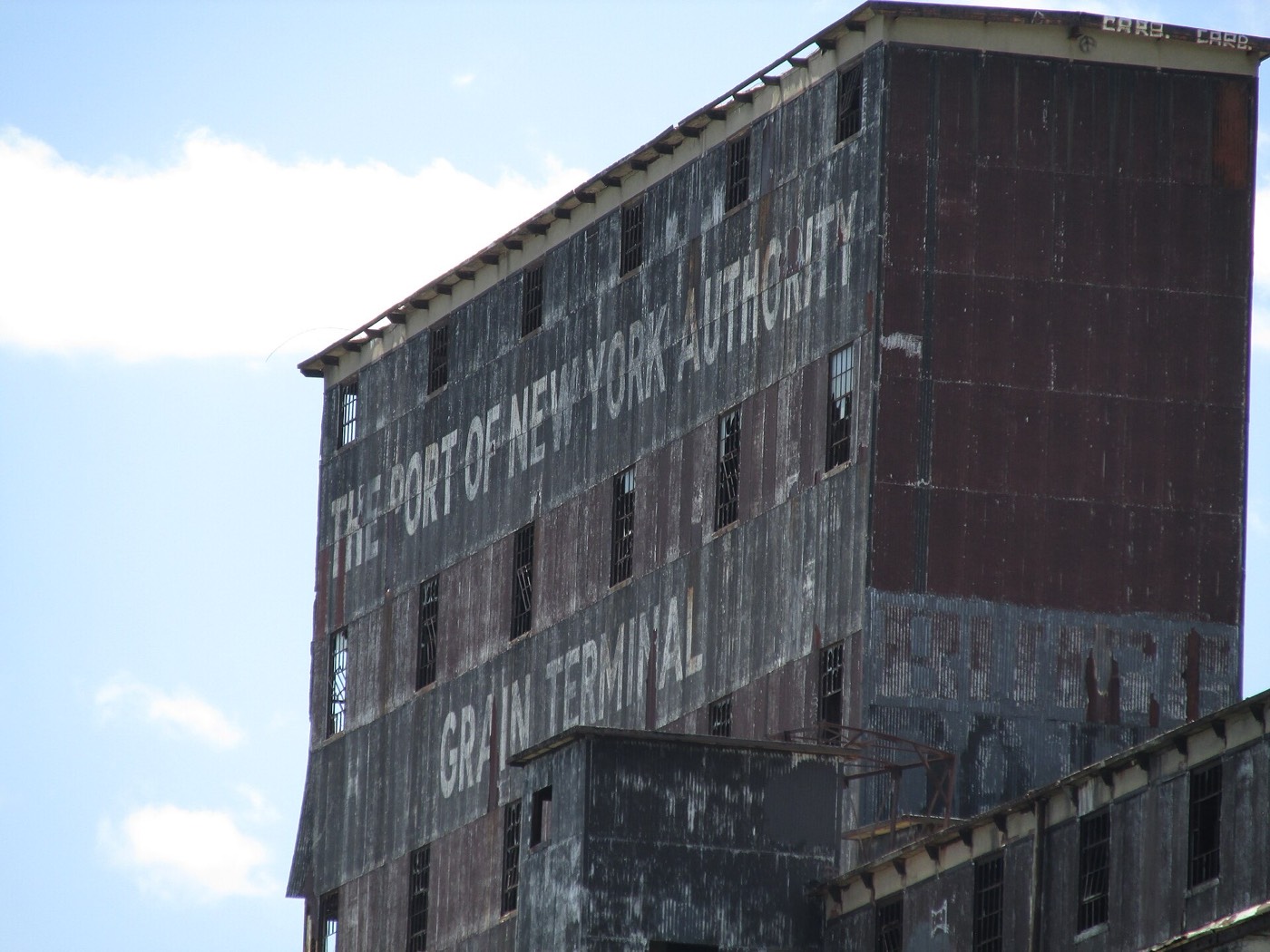
01
The Grain Terminal
Twelve stories of weathered concrete behind a 429-foot façade — built for exteriors, wide shots and large-scale projection.
A 1922 landmark on the Brooklyn waterfront — and today a working terminal, film location and event site.
Opened September 1
Stories of reinforced concrete
Length of the grain elevator
Acres acquired by the family in 1997
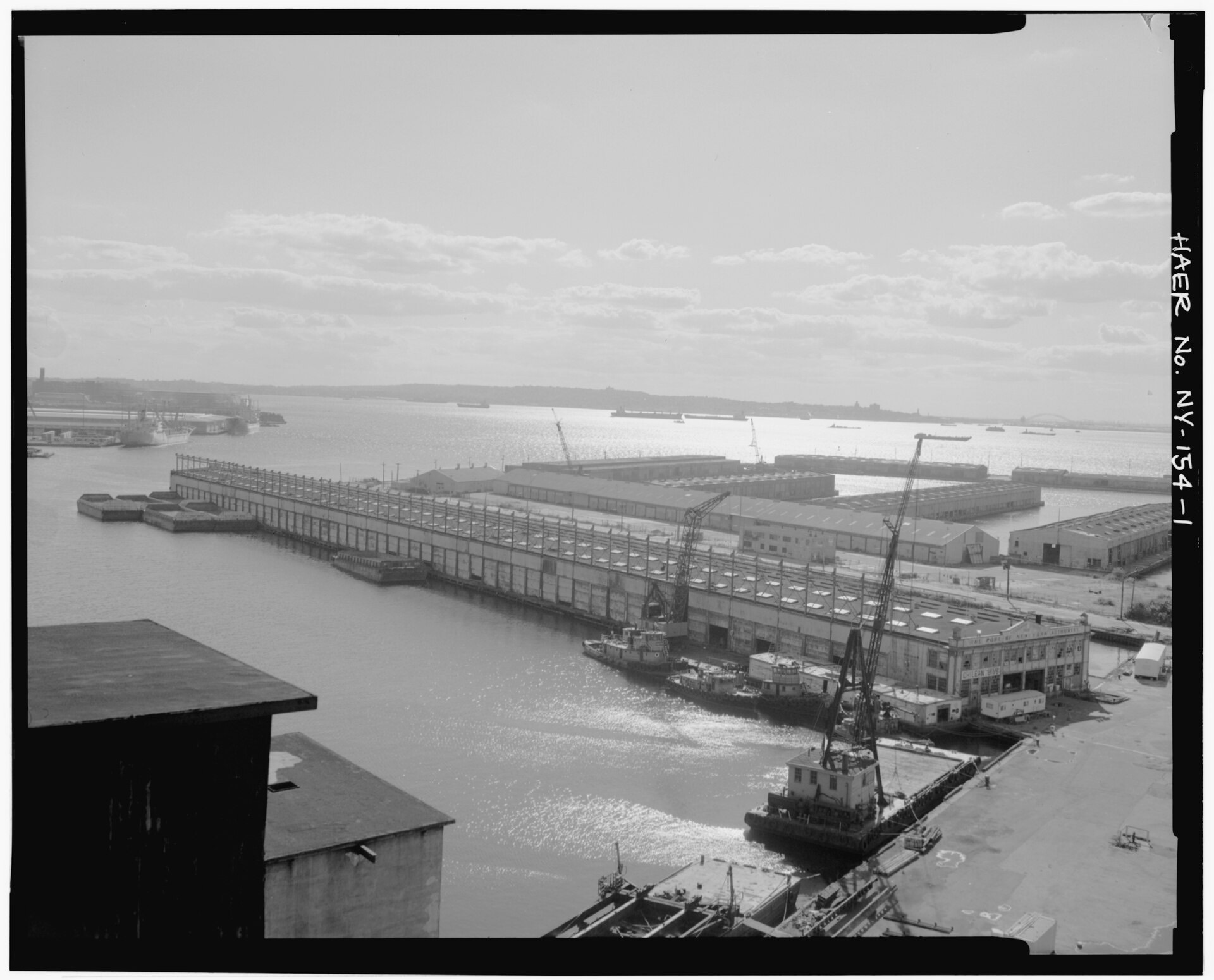
Gowanus Bay Terminal — GBX — sits at the foot of Columbia Street in Red Hook, between the mouth of the Gowanus Canal and Erie Basin.
At its center stands the Red Hook Grain Terminal, the neighborhood's tallest structure and one of Brooklyn's most recognizable silhouettes, visible from the Gowanus Expressway and the elevated F and G trains.
Today GBX is a multi-user maritime and industrial facility. Its piers and yards serve working tenants, while the terminal's monumental concrete draws filmmakers, photographers, artists and event producers.
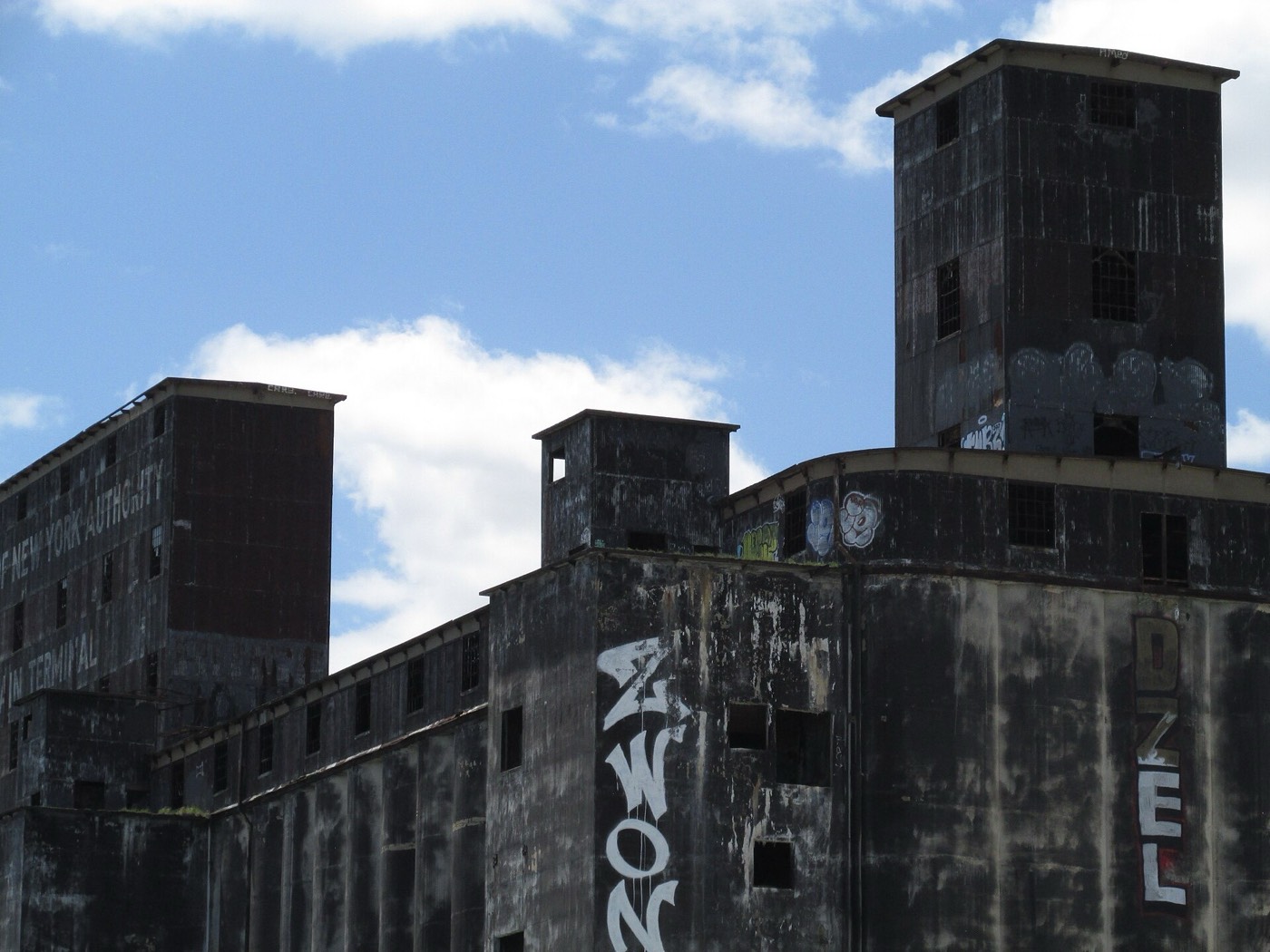
Raw scale that can't be built on a stage. Every request is reviewed against terminal operations and safety requirements.
Twelve stories of weathered concrete behind a 429-foot façade — built for exteriors, wide shots and large-scale projection.
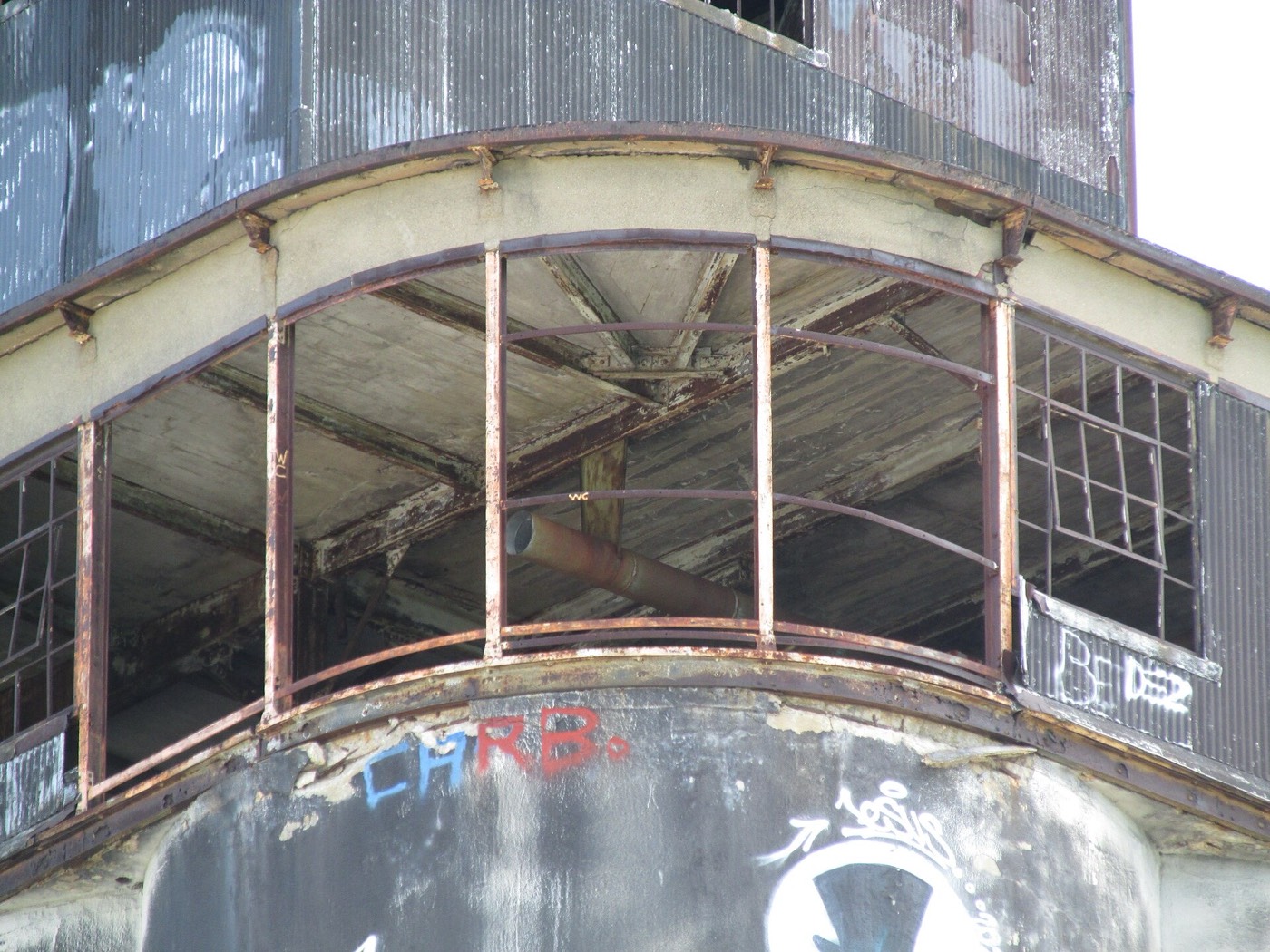
Steel, glass and concrete with nearly a century of texture. Interior access is by site review only.
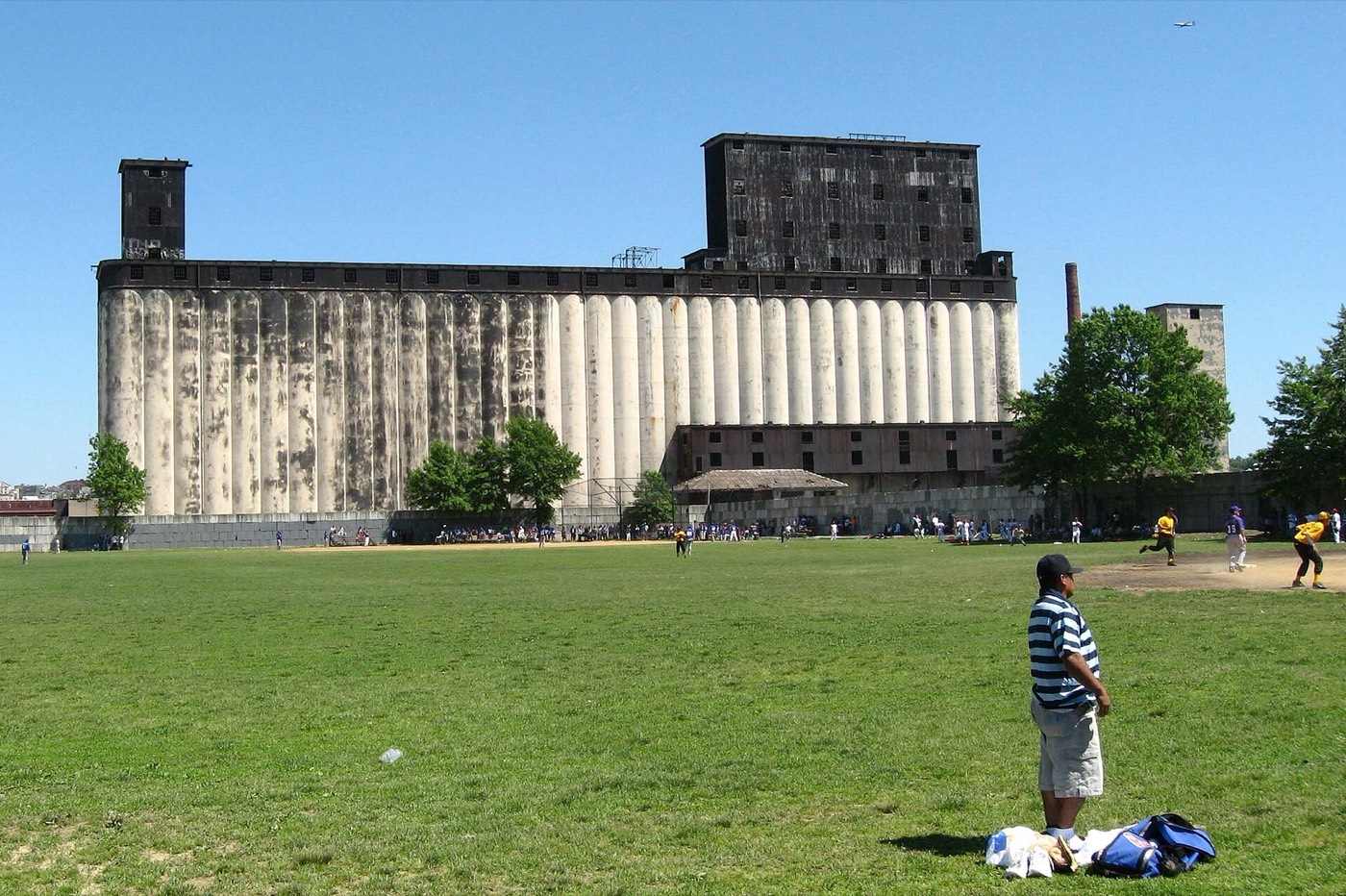
Wide, level yard space for staging, base camp, parking and large builds, subject to availability.
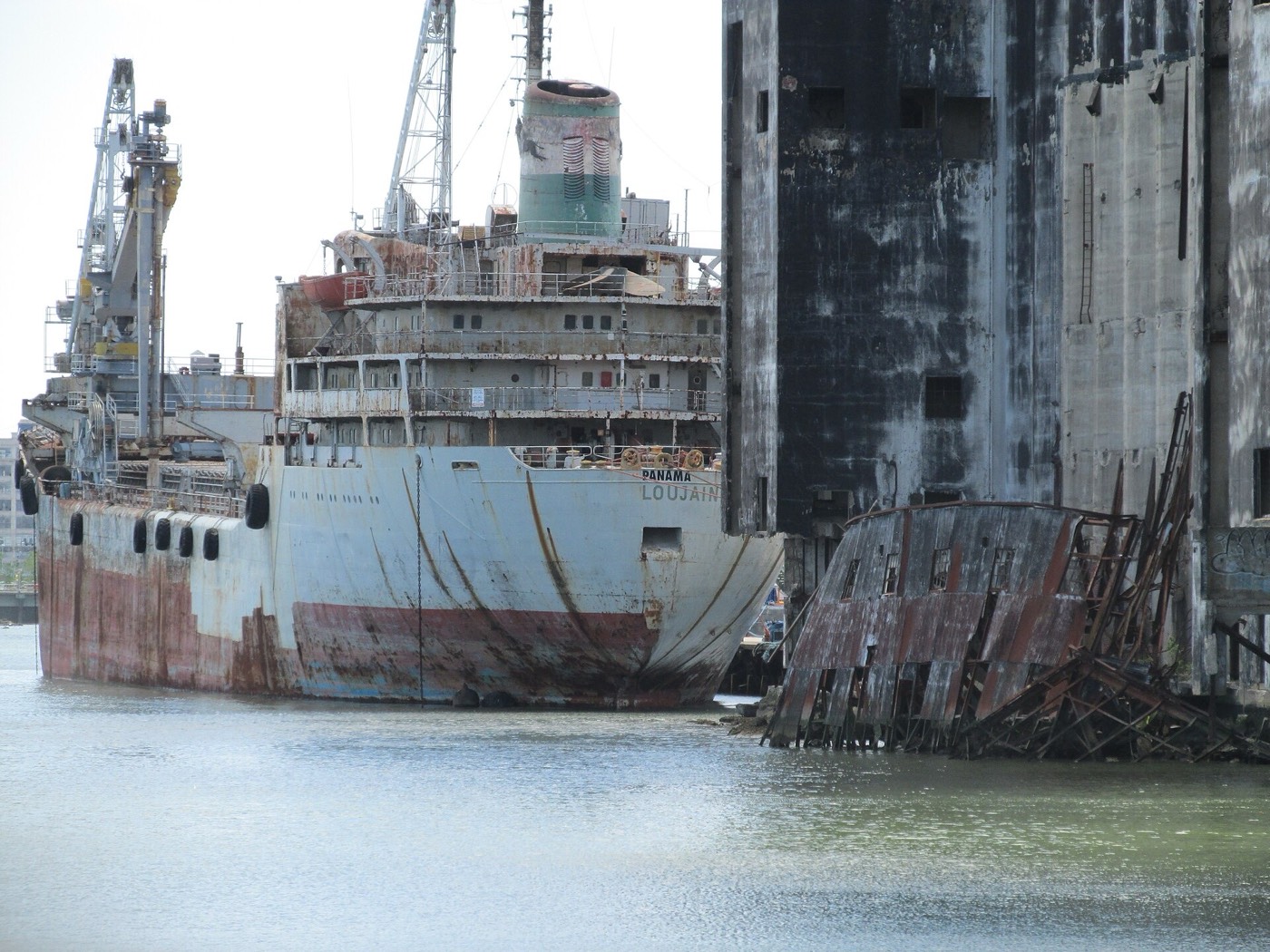
Bay frontage and working piers, with vessels, tugs and the open harbor as a backdrop.
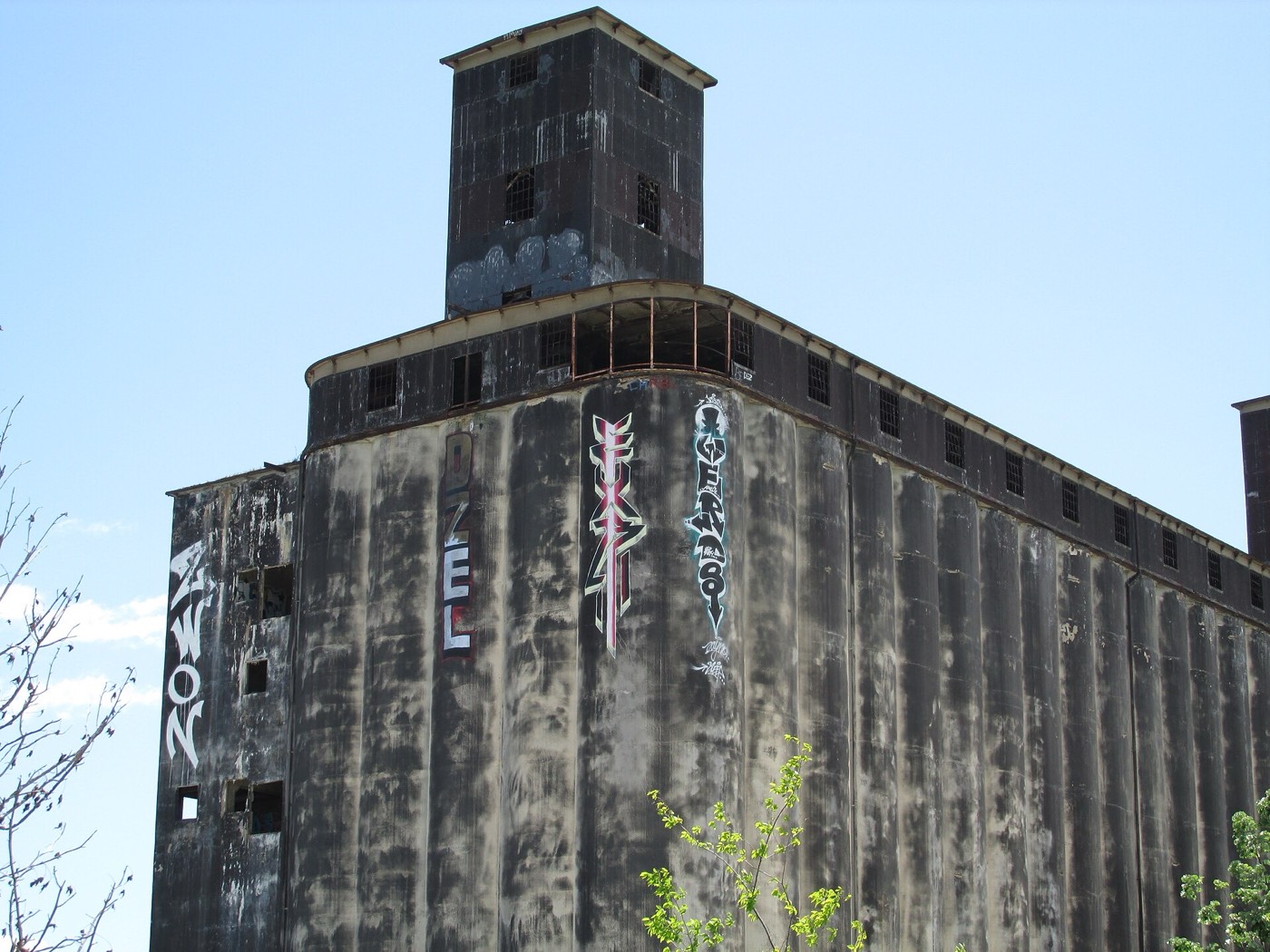 Film · TV · Photo
The terminal's scale and texture have made it a sought-after New York location. It has appeared in music videos for Lorde's Team and David Bowie's Valentine's Day.
Tell us what the production needs — base camp, parking, power, water access or specific angles — and we'll confirm what's available for your dates.
 Events
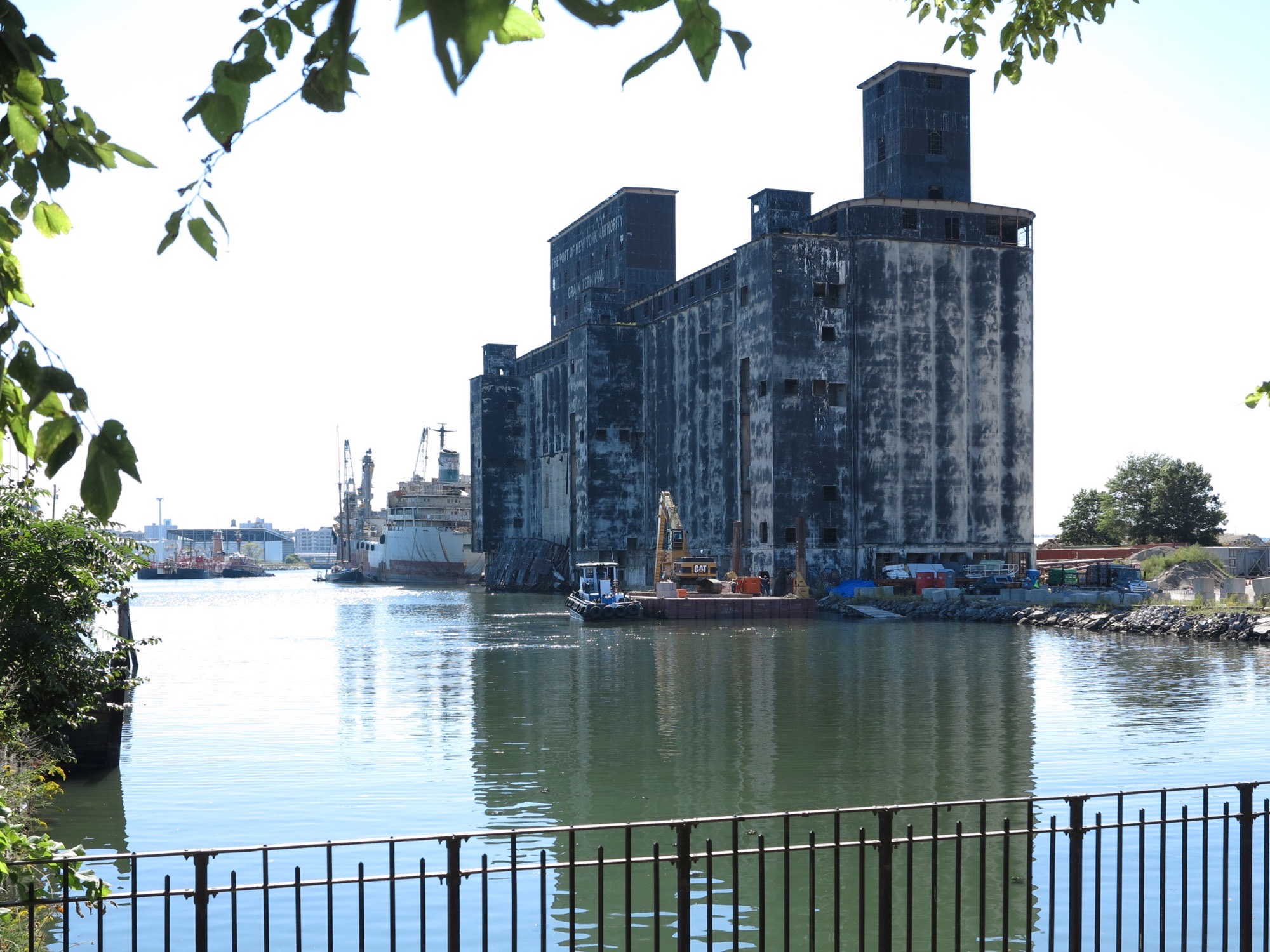
GBX offers a setting no ballroom can match. In 2002, Zacho Dance Theater staged an aerial performance here — dancers scaled the building while 100-foot video images of Red Hook were projected across its walls.
From private events to cultural programs, we'll work with you on a plan that fits the site.
All events are subject to site review, and to the permits and insurance that apply.
Built by New York State for the Barge Canal era, the terminal has watched a hundred years of the harbor change around it.
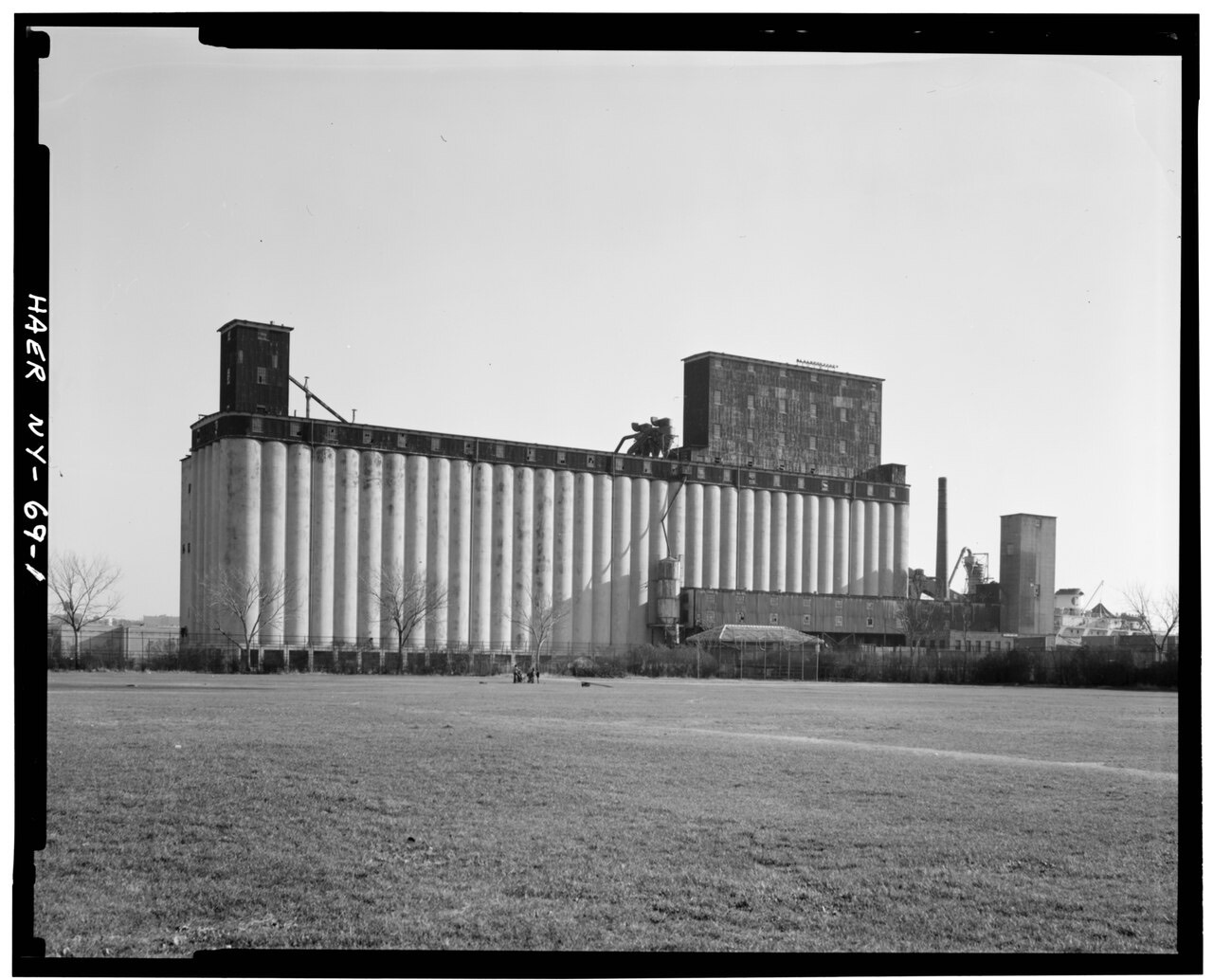
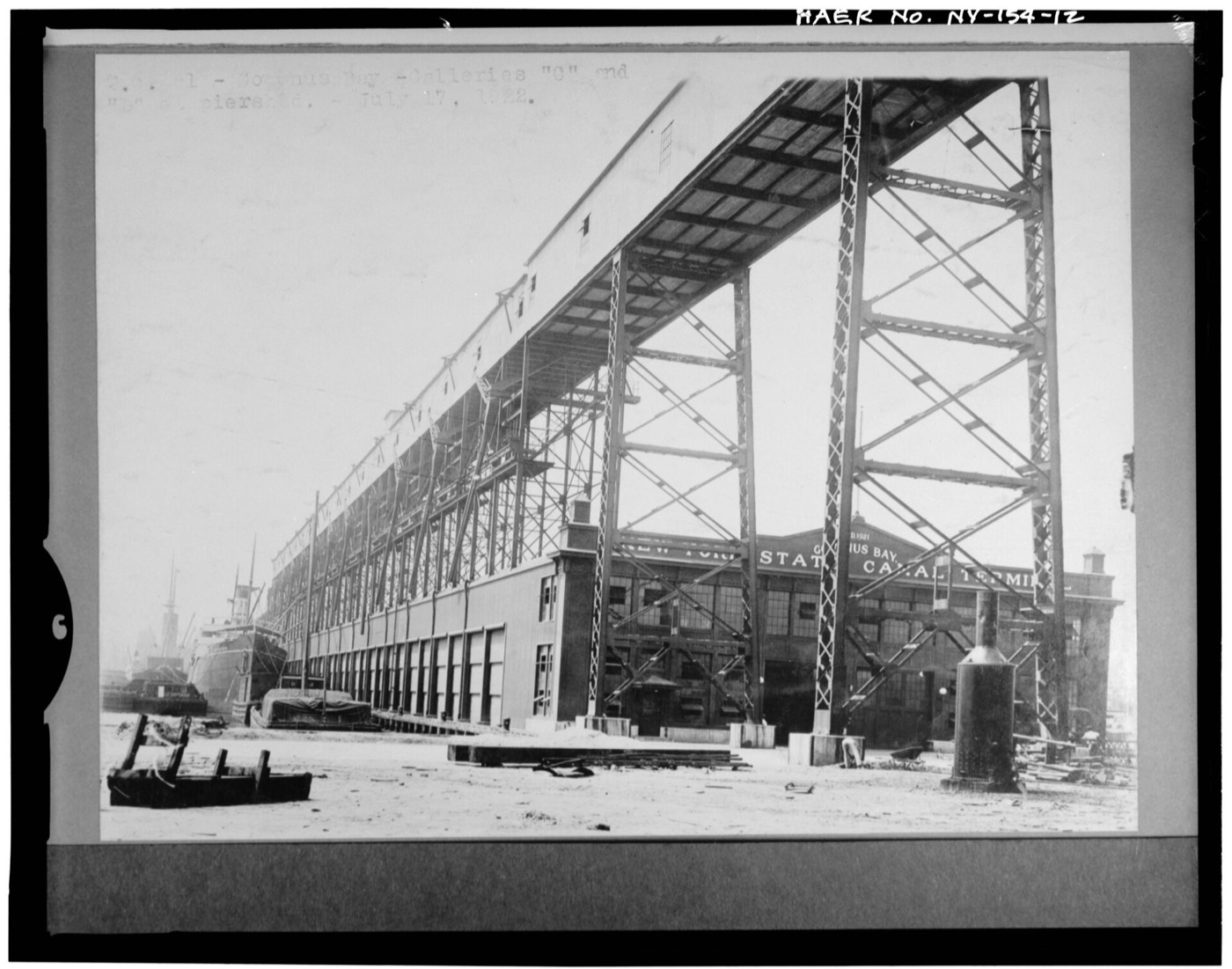
Designed by the Office of the State Engineer to serve the State Barge Canal, the reinforced-concrete grain elevator took 16 months to build, cost $2.5 million and opened on September 1, 1922.
Control of the terminal passes to the Port Authority of New York and New Jersey.
As grain shipping shifts to other ports, the elevator is deactivated.
John Quadrozzi Sr., president of Quadrozzi Concrete, purchases the terminal and the surrounding 46 acres.
John Quadrozzi Jr. takes the helm and leads the property as Gowanus Bay Terminal — GBX.
Maritime and industrial tenants, film and photo productions, and events share one of Brooklyn's most storied waterfront sites.
In 2013, Quadrozzi Enterprises represented seven multi-user waterfront terminals in Brooklyn and Queens: more than 30 acres of industrial land, with a focus on expansion and "an emphasis on sustainability & community."
Gowanus Bay Terminal, Red Hook. Home of the 1922 Grain Terminal.
Gowanus Canal Terminal, at Smith & Ninth Street beneath the F train station. It appears in a scene from Goodfellas.
Newtown Creek Terminal, Long Island City, along the LIRR tracks, with a large bulk silo for cement and fly ash.
Coney Island Creek Terminal, 3068 Cropsey Avenue. The first property you see entering Coney Island, marked by its tall coal silos.
Barbados Basin Terminal, Rockaway Beach, on Jamaica Bay. Once home to the famed Brooklyn Day Camp.
Vernon Basin Terminal, Jamaica Bay, across from the Barbados Basin Reserve, with open bay, bridge and Manhattan views.
46-73 Metropolitan Avenue, Ridgewood: 3.69 acres along Newtown Creek, ready for almost anything.
With decades of sea-freight experience, Quadrozzi representatives moved bulk cargo from Europe, South America and Mexico up the Eastern Seaboard into New York. On land, trucking skills passed down through generations moved concrete, sand and stone, rubble, rock salt, bulk powders and specialty equipment throughout the city.
After Hurricane Sandy in 2012, the company called for rebuilding smarter in flood zones: keep living space and mechanicals above the flood plain, build with concrete for strength and fire resistance, and replace wooden boardwalks with concrete ones that double as sea walls.
"We do not promote our name using persuasive language or trickery, but rather use our natural creative talents and diverse experience in finding the simplest solutions to each objective."
A straightforward process, built around the realities of a working terminal.
Send your dates, crew or guest count, and the areas you're interested in.
We'll arrange a site visit so your team can walk the property.
Agree terms and schedule, and provide insurance certificates and any permits that apply.
We coordinate access on the day around terminal operations.
Film and photo shoots, events, and maritime or industrial use. Tell us about your project and we'll reply with availability and next steps.